Sichuan Noodles in Falls Church: Dan Dan and Cold Noodles
Learn what sets Sichuan noodle dishes apart, from dry Chengdu Dan Dan Noodles to cold sesame noodles at Hong Kong Palace.
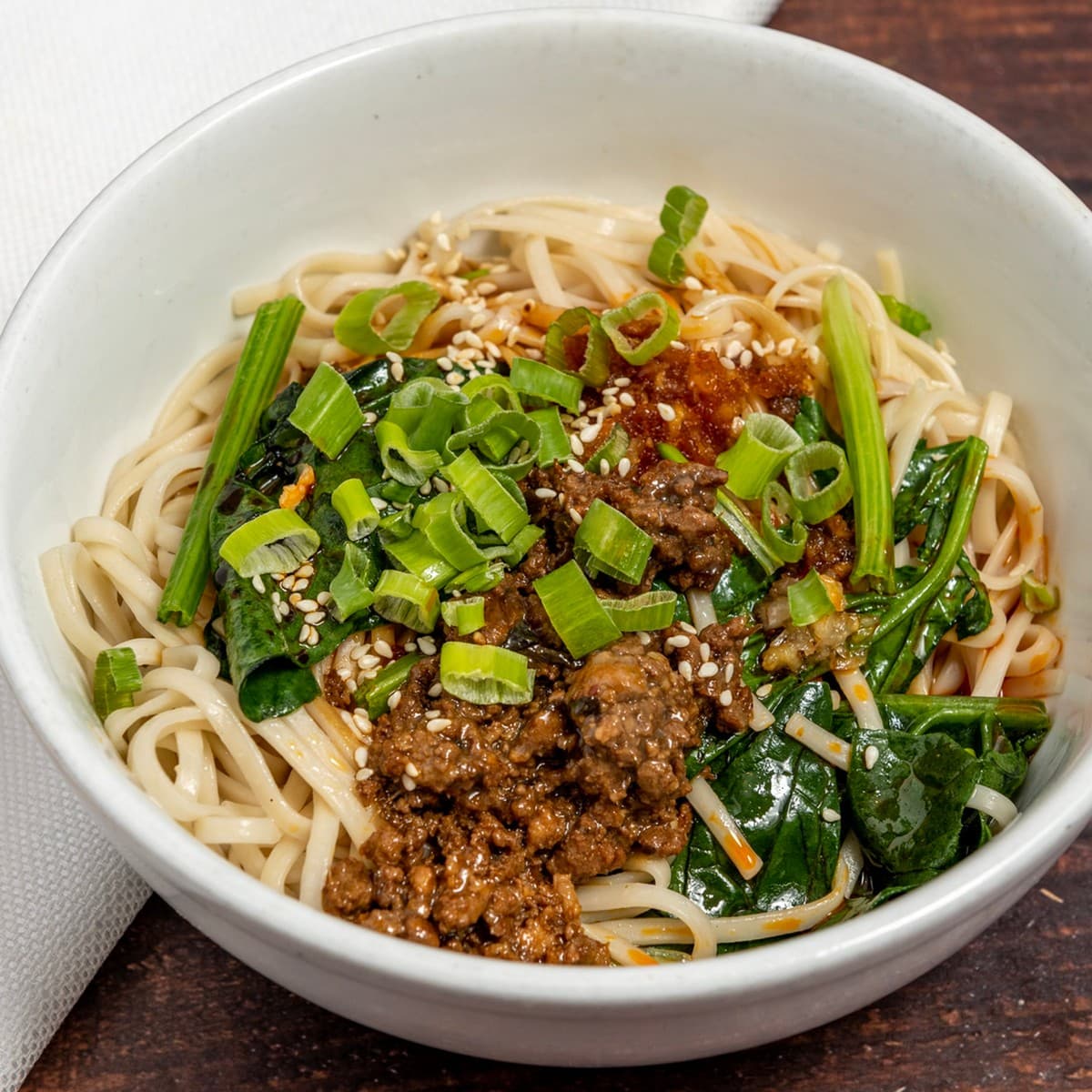
Most Dan Dan Noodles served in the United States use a peanut butter base and arrive in a bowl of broth. The dish is recognizable but bears little resemblance to the version sold by street vendors in Chengdu. The Chengdu preparation is dry, with no broth, and its sauce combines sesame paste, house-made chili oil, Sichuan peppercorn, and ya cai (Yibin fermented mustard greens). The difference matters.
Hong Kong Palace serves the Chengdu version. Below: the Sichuan noodle dishes on the menu, what makes each one distinct, and how they fit into the broader tradition of Chinese regional noodle cooking.
Dan Dan Noodles: The Chengdu Street Original
The name comes from the carrying pole (dan dan) that vendors used to balance their supplies through the streets of Chengdu. One basket held the burner and pot; the other held the noodles and sauce. The dish was fast, cheap, and strongly flavored, designed for quick service rather than slow dining.
The defining elements of the Chengdu preparation:
- No broth. The sauce is concentrated, not diluted. Noodles are coated, not swimming.
- Sesame paste, not peanut butter. The two have different fat profiles and flavors. Sesame paste is thicker and more savory.
- Sichuan peppercorn for the numbing má sensation that underlies the chili heat.
- Ya cai, Yibin fermented mustard greens, adds a sour, fermented counterpoint to the richness of the sauce.
- Ground pork, cooked separately, placed on top.
At Hong Kong Palace, Dan Dan Noodles are $10.95. They are one of the least expensive items on the menu and among the most cited by food critics who have reviewed the restaurant. Tyler Cowen included them in his notes on Hong Kong Palace when writing about authentic Sichuan cooking in Northern Virginia.
For a deeper history of the dish, read our Dan Dan Noodles history guide. For the ingredient-by-ingredient case behind the preparation, see the best authentic Dan Dan Noodles in Falls Church.
Cold Sesame Noodles
Cold noodles served at room temperature or chilled with a sesame-forward sauce appear across several Chinese regional traditions. The Sichuan version emphasizes the má là profile, Sichuan peppercorn alongside chili, rather than sweetness. Scallion and sesame oil finish the dish.
Cold sesame noodles work well in summer or as a counterpoint to heavier hot dishes when ordering for a group. The temperature difference across dishes is part of how traditional Chinese family-style meals are structured.
Beef Noodle Soup
The beef noodle soup at Hong Kong Palace uses a clear broth with tender beef and house noodles. It is a straightforward preparation. The broth does the work. No spice, no complexity beyond the beef and aromatics. Useful as a lighter option alongside strongly flavored Sichuan dishes, or as a standalone for guests who cannot tolerate significant heat.
How Sichuan Noodles Differ from Other Regional Styles
Chinese noodle cuisine has eight distinct regional traditions. Each uses different broths, noodle types, and flavor profiles. The Sichuan tradition is defined by the má là combination, numbing peppercorn and chili heat, that runs through most preparations in the cuisine.
Cantonese wonton noodles use a clear pork-shrimp broth and thin egg noodles. Beijing's zha jiang mian uses fermented soybean paste (tianmianjiang) for a savory-sweet sauce. Lanzhou beef noodles are hand-pulled to order in a clear beef bone broth. None of these use Sichuan peppercorn, so none produce the numbing effect that defines Sichuan eating.
The numbing sensation comes from hydroxy-alpha-sanshool, a compound in the outer hull of Sichuan peppercorns. It activates tactile receptors rather than pain receptors, so it feels like tingling or light electricity rather than burning. Combined with the heat of dried chilies, the two sensations produce a distinctly Sichuan experience that no other regional cuisine replicates.
For a full guide to these regional differences, read Regional Cuisines of China.
Ordering Noodles at Hong Kong Palace
Dan Dan Noodles are available for dine-in, takeout, and delivery within a 3-mile radius on Friday, Saturday, and Sunday between 4 and 9 PM. For delivery, the sauce can be requested on the side to preserve the noodle texture during transit. Add a note at checkout.
Lunch specials (11 AM – 3 PM) include several noodle options at reduced prices. See the lunch specials menu for current pricing.
For a full overview of Sichuan noodle dishes available at Hong Kong Palace, visit the Sichuan noodles page or browse the complete menu.
What to Order If You Are New to Sichuan Noodles
Start with Dan Dan Noodles at medium heat. The sesame paste base gives the dish enough richness to balance the chili oil, so the heat does not overwhelm on a first visit. If you want something lighter or are ordering with guests who avoid spice, add cold sesame noodles or beef noodle soup to the order. Both provide contrast without competing with the stronger Sichuan preparations.
Dan Dan Noodles pair well with Mapo Tofu. The silken tofu and doubanjiang sauce share the same flavor tradition and the textures complement each other. Read about the story of Mapo Tofu for context on where both dishes come from.
Hong Kong Palace · Falls Church, VA
Experience Authentic Sichuan Cuisine
Dine in, take out, or order delivery. Open daily 11 AM, last order 9:00 PM.