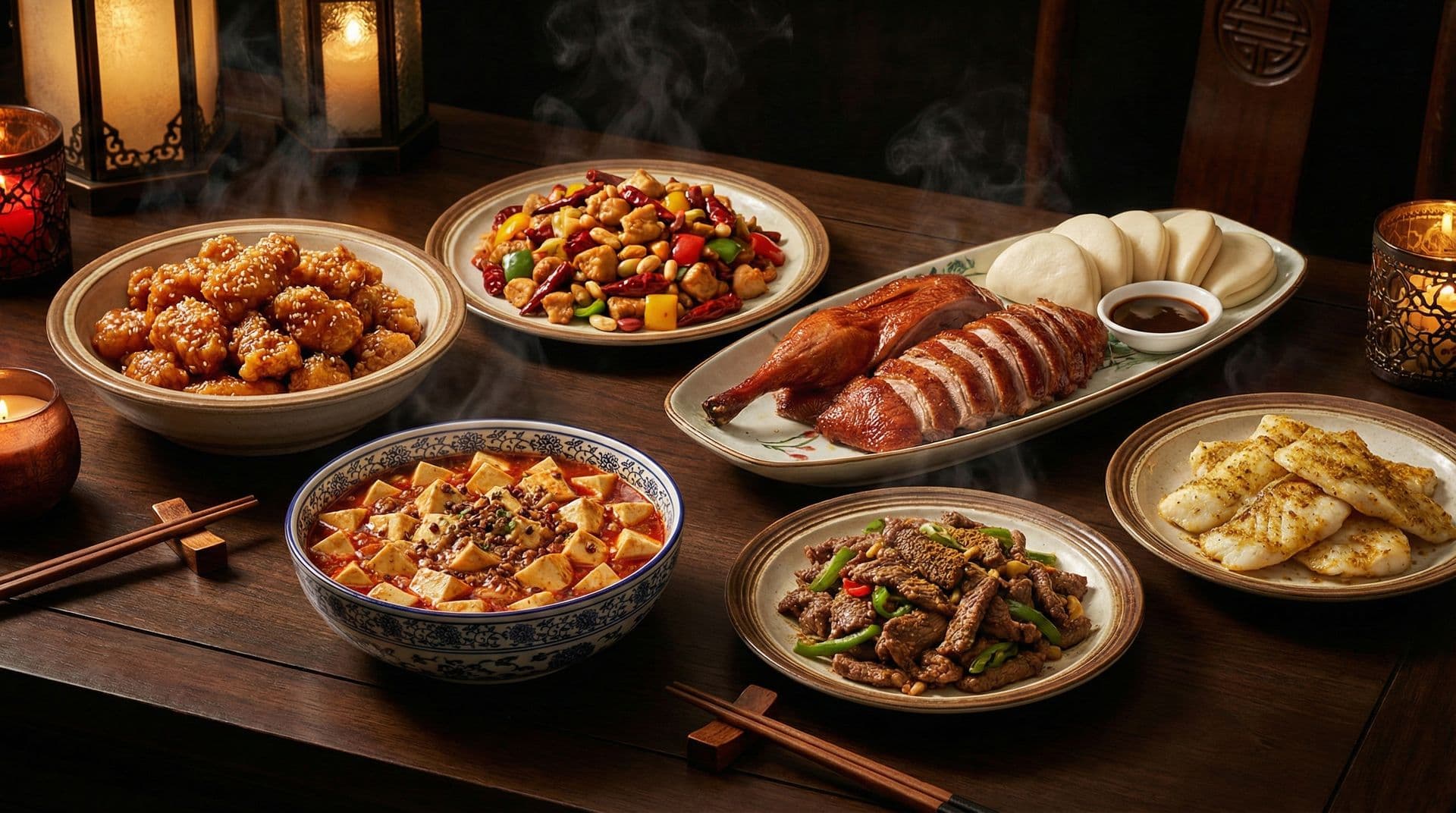
Mapo Tofu: From Chengdu Street Food to Global Icon
Mapo Tofu began in 1860s Chengdu and became one of Sichuan cuisine's most recognized dishes.
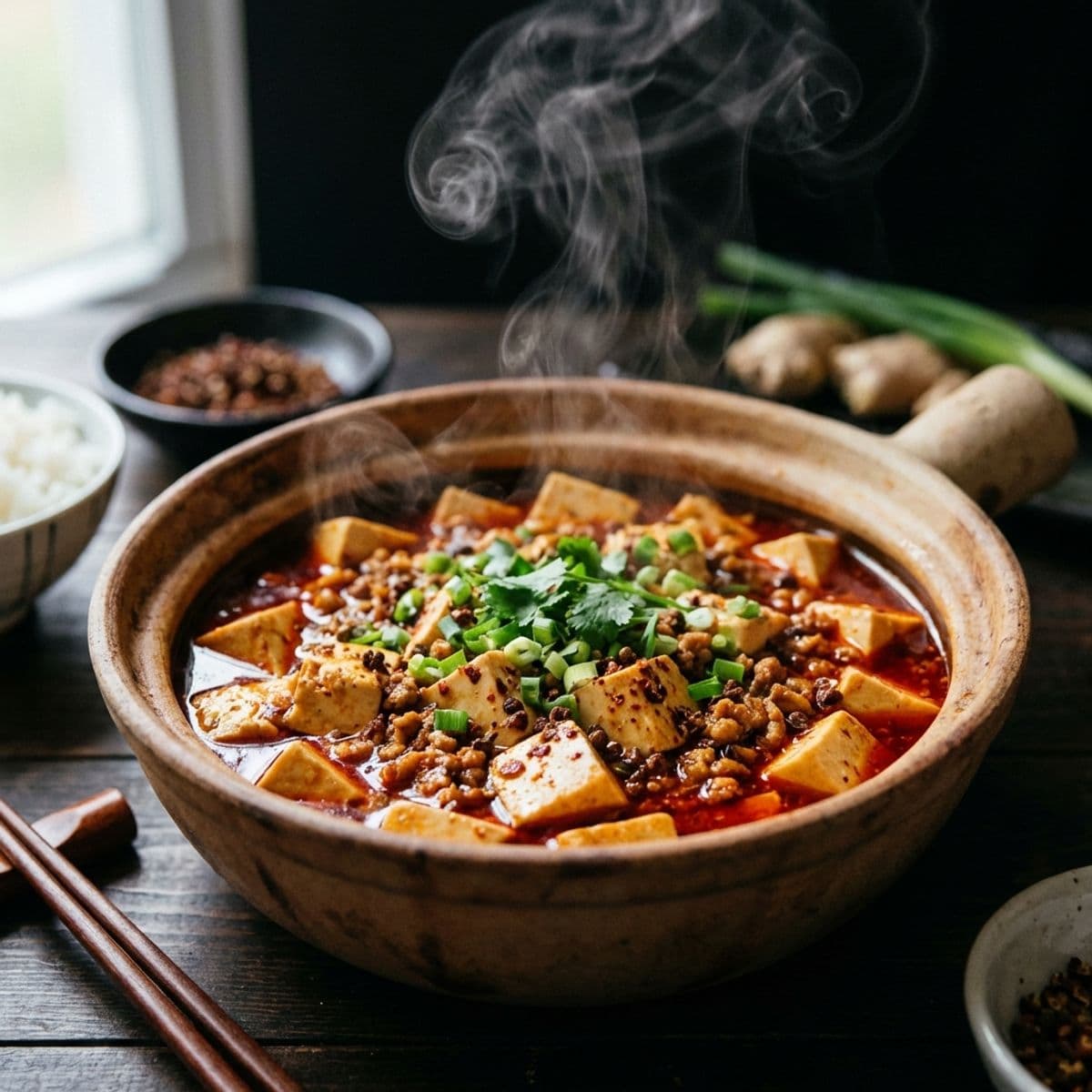
Ma Po Tofu (麻婆豆腐) ranks among Szechuan cuisine's most recognized dishes: silken tofu in a sauce of chili bean paste, fermented black beans, ground pork, and Szechuan peppercorn. The dish traces back to a small restaurant in 1860s Chengdu.
The Woman Behind the Dish
"Mapo" means "pockmarked grandmother." Chen Mapo ran a restaurant near the Wanfu Bridge in Chengdu during the 1860s. She served laborers and oil merchants who carried heavy loads across the bridge. She created a hearty, affordable tofu dish seasoned with bold flavors to sustain them through long days of physical work.
The Seven Defining Characteristics
Authentic Ma Po Tofu meets seven standards, each described by a single Chinese character: ma (numbing), la (spicy), tang (hot temperature), xian (fresh), nen (tender), xiang (aromatic), and su (crispy, referring to the minced meat). Hitting all seven in a single dish requires skill, timing, and quality ingredients. Szechuan chefs treat the list as a benchmark.
From Chengdu to the World
Ma Po Tofu spread beyond Sichuan province in the early 20th century. Japanese chef Chen Kenmin adapted it for local tastes in the 1950s, creating a milder version that gained wide popularity in Japan. In 2010, Chengdu became the first city in Asia recognized as a UNESCO City of Gastronomy, a designation that cited the city's 4,000-year culinary history and the global reach of dishes like Mapo Tofu. Today, variations exist worldwide. The best versions stay true to the original ma la balance.
Our Version at Hong Kong Palace
Our Ma Po Tofu at Hong Kong Palace honors the traditional recipe. We use silken tofu for its delicate texture, house-made chili bean paste for depth, and ground Szechuan peppercorn for authentic numbing heat. Pair it with steamed rice to temper the heat and let the complex flavors unfold with each bite.
Hong Kong Palace · Falls Church, VA
Experience Authentic Sichuan Cuisine
Dine in, take out, or order delivery. Open daily 11 AM, last order 9:15 PM.