The Art of Dim Sum: A Guide to Traditional Dumplings
Dim sum began in teahouses and grew into one of Chinese cuisine's most social dining traditions.
Dim sum (点心) translates to "touch the heart." The tradition of sharing small plates with tea started in ancient Chinese teahouses and grew into an elaborate culinary practice. Families and friends gather around steaming bamboo baskets, picking dishes off carts and lingering for hours.
The History of Dim Sum
Teahouses along the Silk Road first served small snacks alongside tea for travelers. Over time, chefs in Guangzhou elevated these bites into a refined craft. By the Song Dynasty, master chefs competed to create the most delicate and flavorful morsels. The tradition spread from Canton to Hong Kong and then to Chinese communities worldwide.
Types of Dim Sum
Har gow (shrimp dumplings) have translucent wrappers that showcase the pink filling inside. Char siu bao (BBQ pork buns) are pillowy and sweet. Xiaolongbao, the soup dumpling, is the most demanding to make: a thin wrapper enclosing meat and a pocket of rich broth that bursts when you bite. Siu mai (open-topped pork and shrimp dumplings), cheung fun (rice noodle rolls), and lo bak go (turnip cake) round out a traditional spread.
The Dim Sum Experience
Traditional dim sum service uses carts pushed through the restaurant. Servers lift lids from bamboo steamers and you pick what looks good. The meal stretches for hours. Pouring tea for your companions and tapping the table in thanks adds layers of social ritual to the food.
Dim Sum at Hong Kong Palace
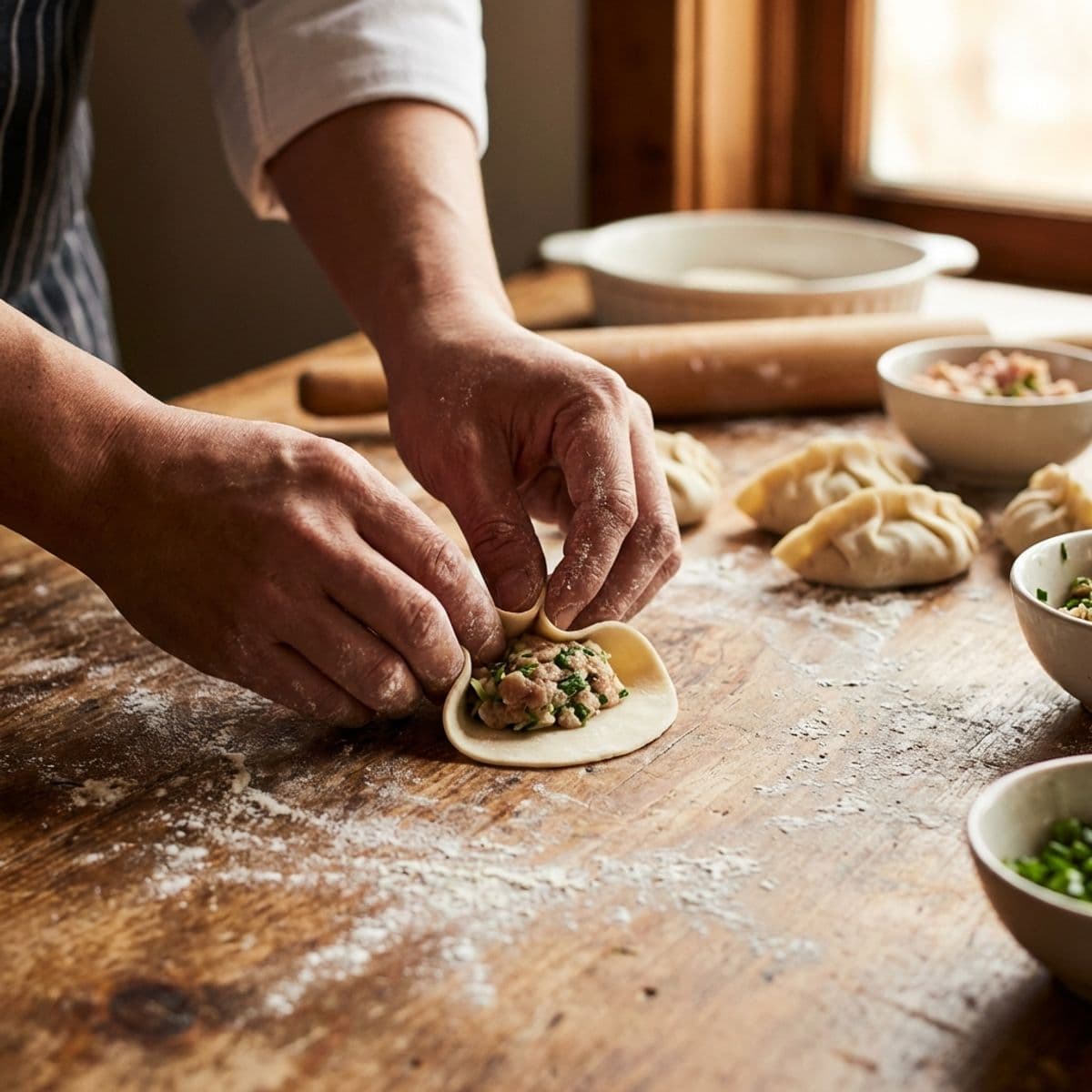
Our dim sum selection at Hong Kong Palace in Falls Church includes handmade Meat Dumpling, Crab Meat Fried Wonton, and classic Cantonese small plates prepared fresh each day. Gather a group and reserve a table. Dim sum works best when you share as many dishes as possible.
Hong Kong Palace · Falls Church, VA
Experience Authentic Sichuan Cuisine
Dine in, take out, or order delivery. Open daily 11 AM, last order 9:15 PM.