Chinese Tea Ceremony: The Ritual Behind the Cup
Gongfu Cha turns a cup of tea into a meditative practice. The first pour gets discarded. The good part starts on the second infusion.
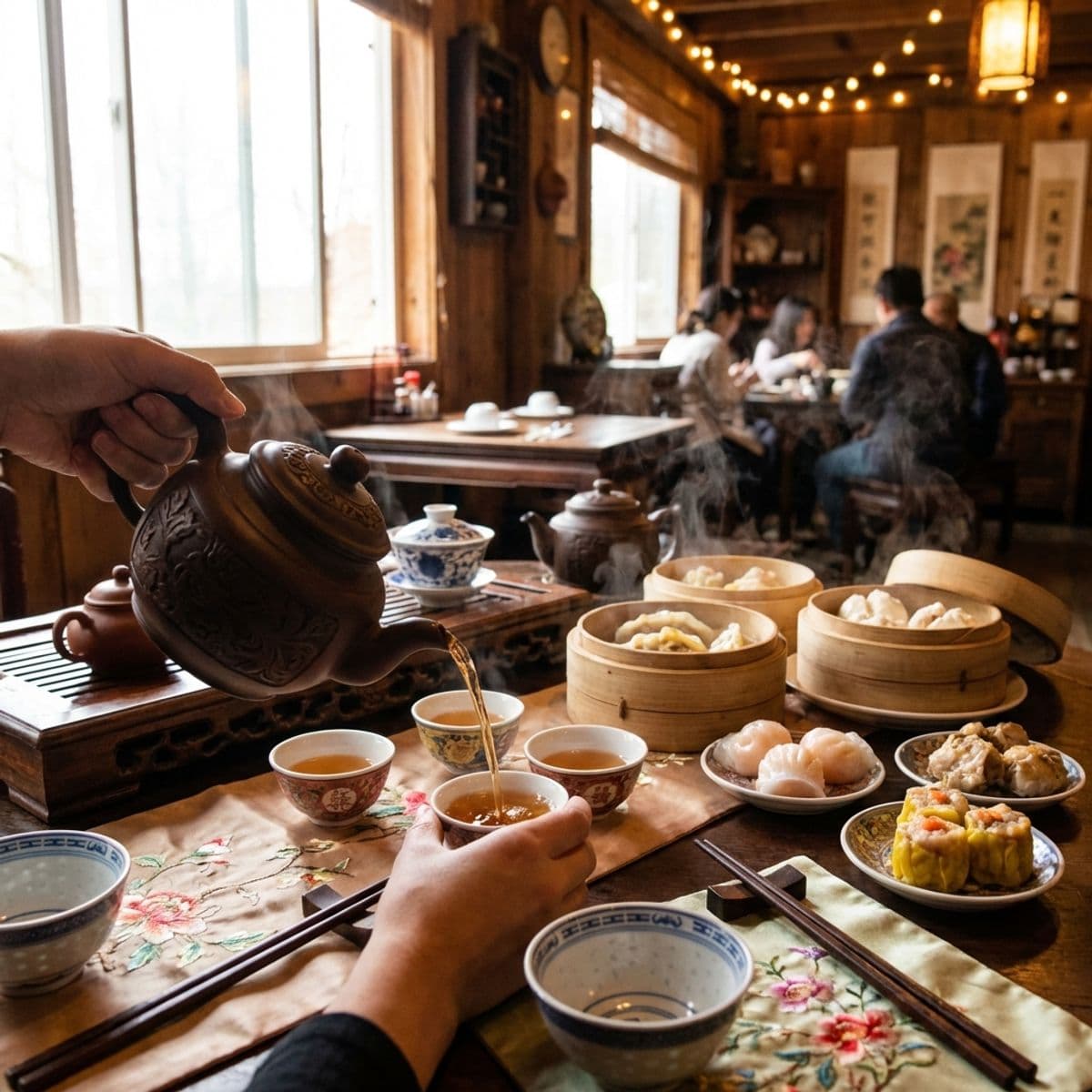
Gongfu Cha, the Chinese tea ceremony, turns the act of making tea into a slow, focused ritual. Each step in the process has a purpose, from heating the clay teapot to discarding the first pour.
The Philosophy of Tea
Tea in Chinese culture represents respect, calm, and attention to the present moment. The ceremony asks you to focus on each step: warming the vessel, measuring the leaves, controlling the water temperature, watching the leaves unfurl. The first pour rinses the leaves and wakes up their flavor. The second infusion is where the tea shows its character.
Essential Elements
A proper ceremony needs a Yixing clay teapot, small tasting cups, a tea boat, and quality leaves. The tea type dictates water temperature and steeping time: oolong, pu-erh, and green tea each require different handling. Yixing clay is unglazed and porous. The pot absorbs the tea's essence over years of use. A seasoned Yixing pot can add subtle flavor from plain hot water alone.
Choosing the Right Tea for Your Meal
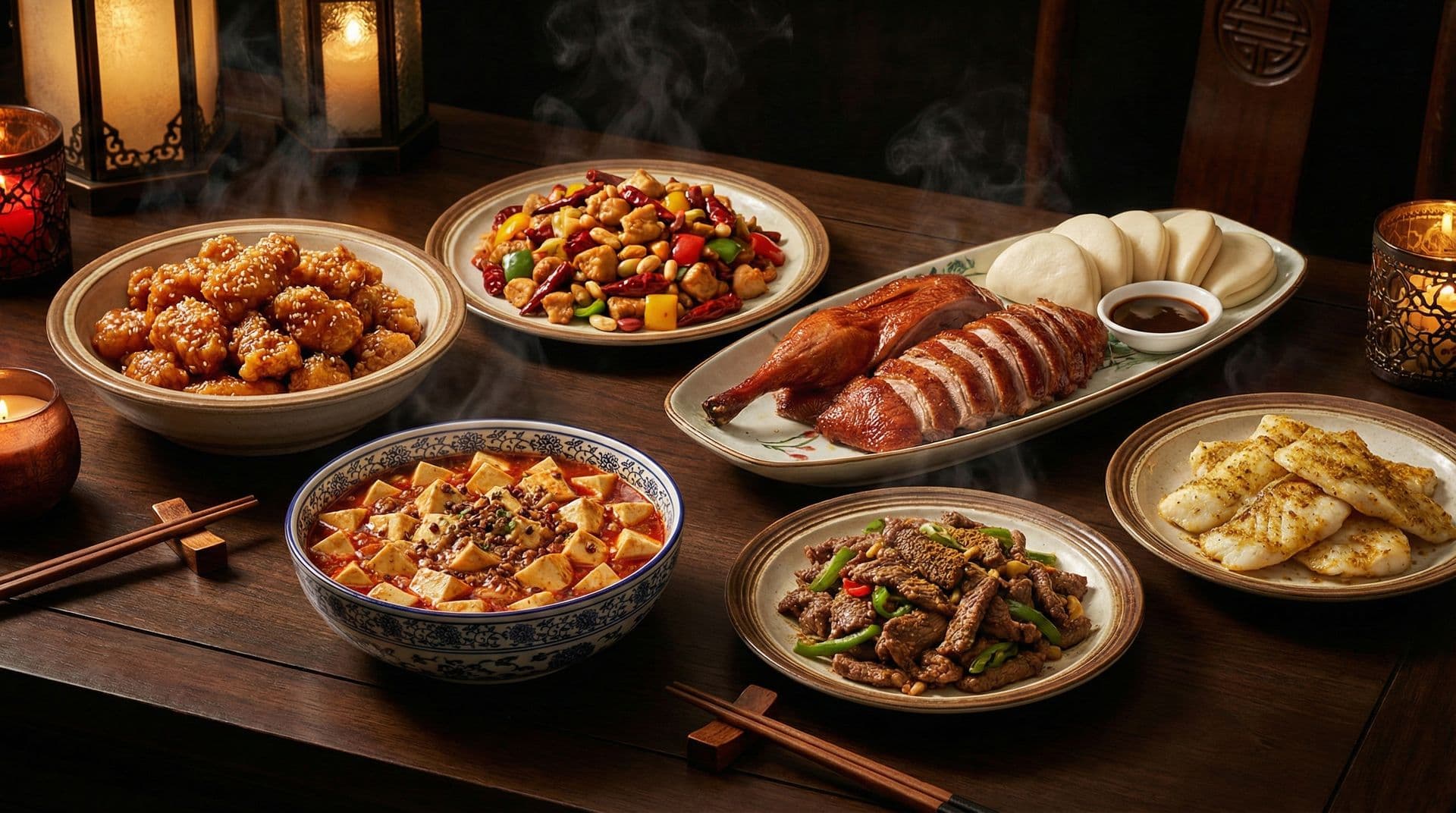
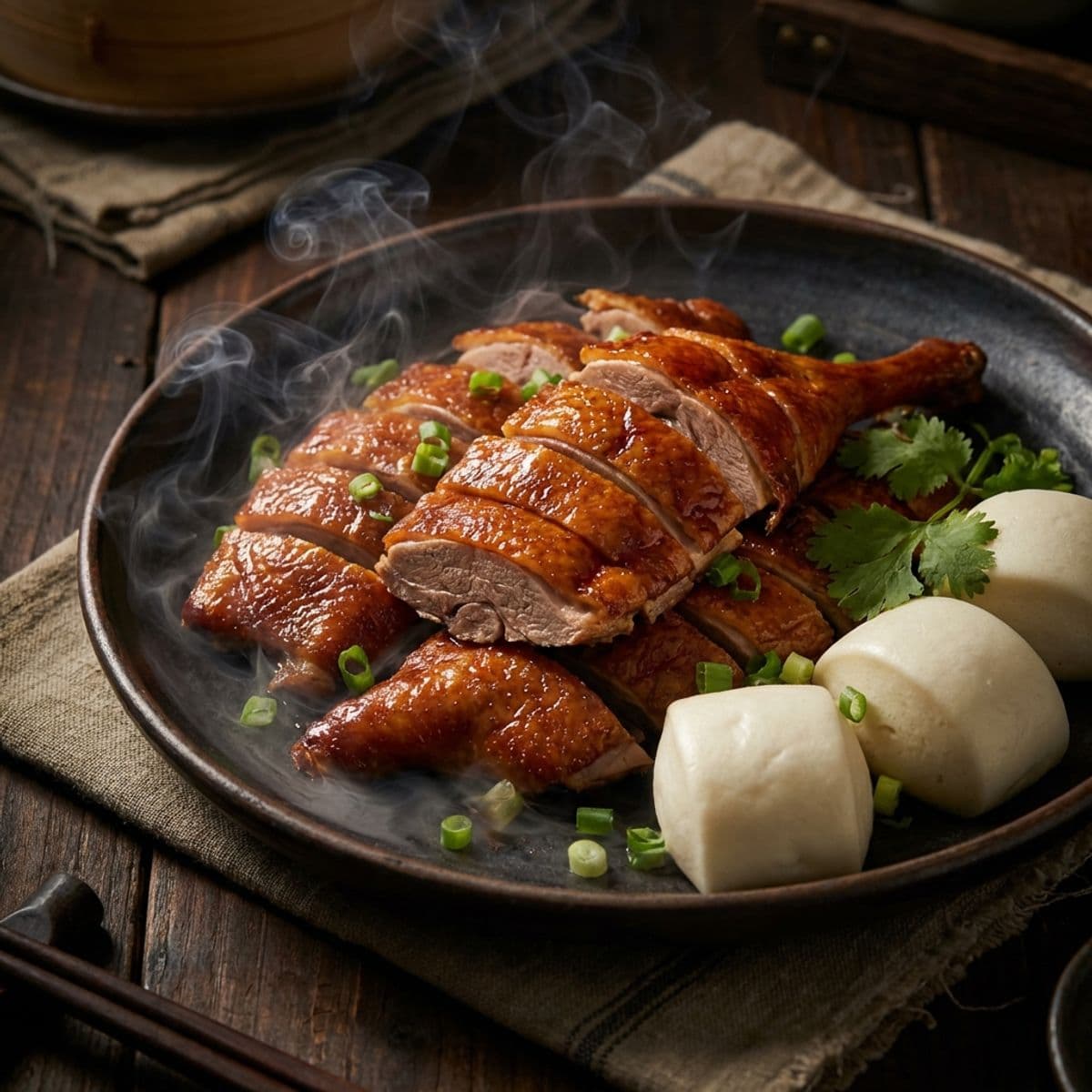
Tea and food pair like wine and food in Western dining. A robust pu-erh stands up to rich, oily dishes like Peking Duck or braised pork belly. Chrysanthemum tea cleanses the palate between bold Szechuan peppercorn dishes. Oolong, with its complex floral notes, bridges the gap and complements both steamed seafood and stir-fried vegetables. Green tea is the most versatile, crisp and refreshing alongside any meal.
Tea and Dim Sum
At Hong Kong Palace, we pair teas with our menu selections. Pu-erh cuts through the richness of fried dishes. Jasmine tea enhances the delicate flavors of steamed dumplings. Ask your server for a recommendation. The right pairing changes a good dish into a memorable one.
Hong Kong Palace · Falls Church, VA
Experience Authentic Sichuan Cuisine
Dine in, take out, or order delivery. Open daily 11 AM, last order 9:15 PM.