Dumplings vs Wontons: Understanding the Differences
They look similar, but dumplings and wontons differ in wrapper, filling, shape, and cooking method.
Customers at Hong Kong Palace ask us all the time: what separates dumplings from wontons? Both are dough parcels filled with savory ingredients. The differences show up in the wrapper, shape, filling, and cooking method.
The Wrapper
The split starts with the dough. Dumpling wrappers (jiaozi pi) use flour and water, producing a thicker, chewier skin that holds up to pan-frying and steaming. Wonton wrappers include egg, creating a thinner, silkier texture that turns near-translucent in broth. The wrapper determines how you cook each one.
Shape and Folding
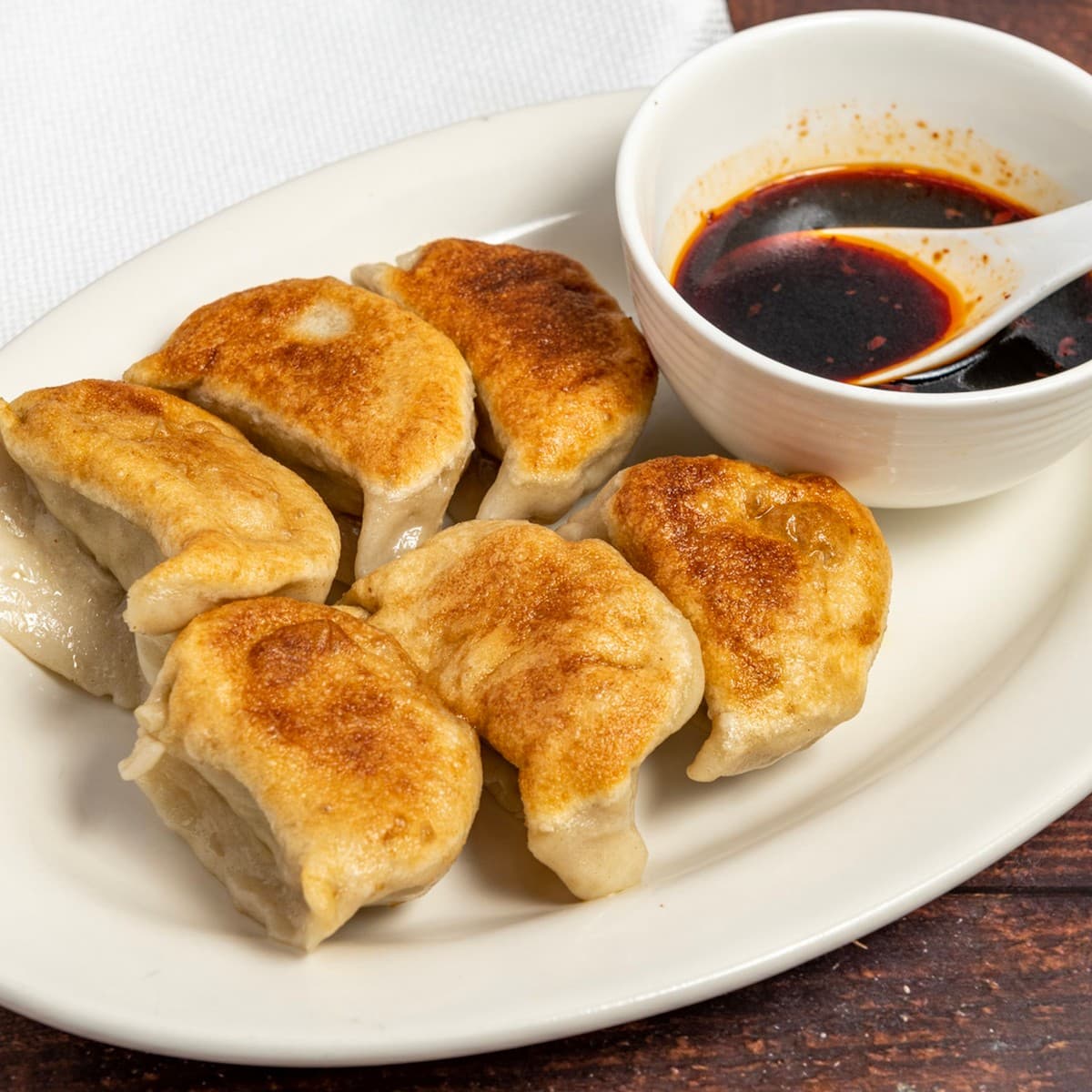
Cooks fold dumplings into a crescent or half-moon shape with pleated edges. The pleats are functional, creating a tight seal. Wonton folding is looser and more free-form, pinched into a nurse-cap shape or a simple triangle. The loose wrapping lets broth penetrate during cooking.
Fillings and Flavor
Dumpling fillings run heartier: ground pork with cabbage and chives is the classic, with variations using lamb, beef, shrimp, and vegetables. Wonton fillings stay lighter, a simple blend of seasoned ground pork and shrimp. The wonton filling is minimal by design, meant to complement the delicate wrapper rather than overpower it.
Cooking Methods
Dumplings shine boiled (shui jiao), steamed (zheng jiao), or pan-fried as potstickers (guo tie). Wontons go into clear broth as wonton soup or get tossed in chili oil (hong you chao shou) for a Szechuan preparation. At Hong Kong Palace, we serve both. Try our Meat Dumpling and Spicy Wonton side by side to taste the difference.
Hong Kong Palace · Falls Church, VA
Experience Authentic Sichuan Cuisine
Dine in, take out, or order delivery. Open daily 11 AM, last order 9:15 PM.